Super Great Cleaning Services
Can Renovation Debris Stay Behind Before Cleaning in Petaling Jaya (PJ)?
Learn what renovation waste to remove first, how to separate sharp debris from settled dust, and what to check before arranging a cleaning visit.
“Can the renovation debris stay in my home until the cleaner arrives?” A broken tile edge can split a thin bin liner, while loose plaster powder can escape through an untied sack. The short answer: arrange removal of bulky, sharp renovation waste first; leave settled dust and ordinary surface residue for the cleaning pass once the rooms and access route are clear. Super Great Cleaning Services offers pre- and post-renovation cleaning, and its stated business coverage includes Petaling Jaya (PJ).
A cleaning pass needs clear floors, not a rubble pile
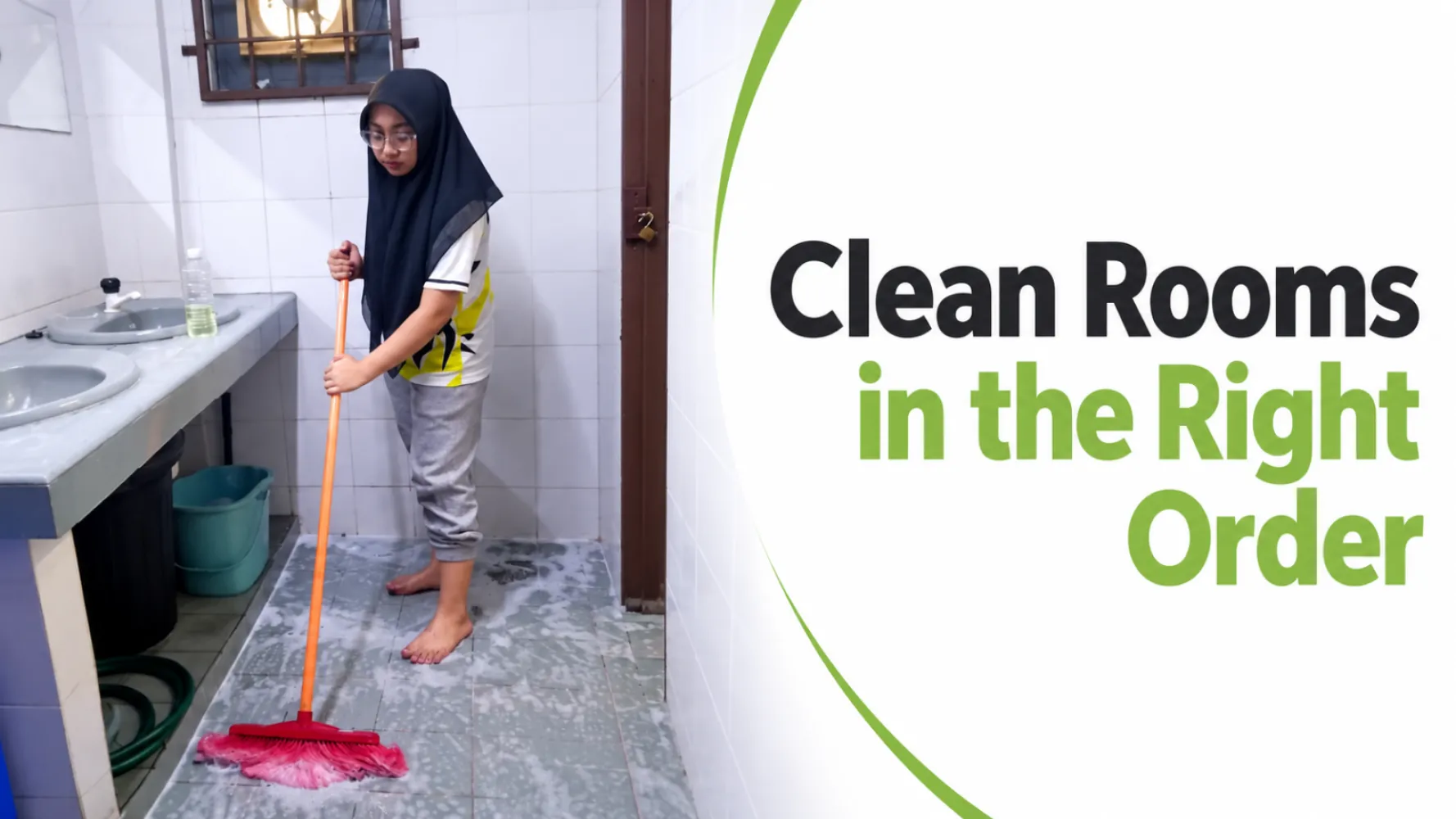
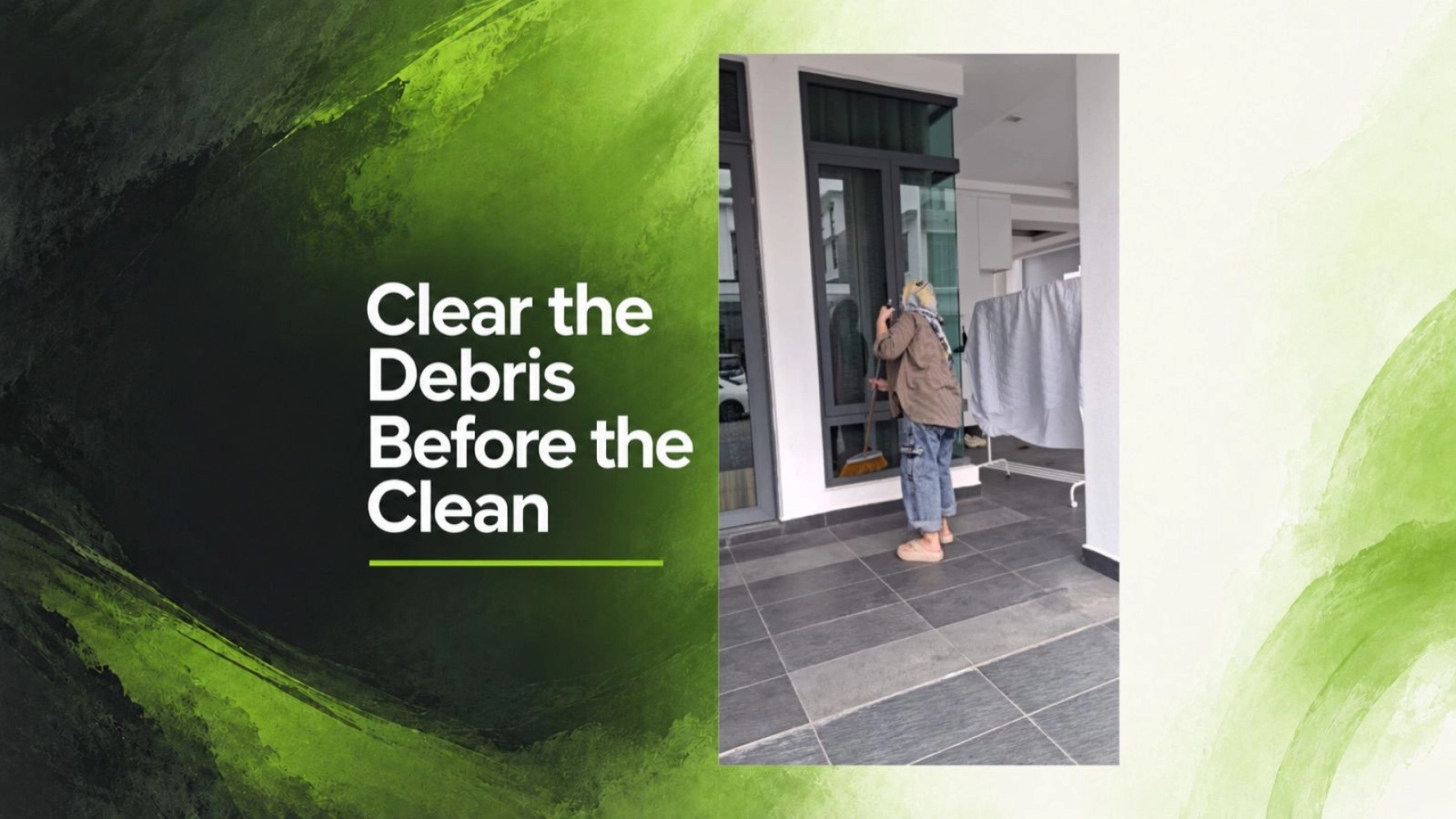
Renovation waste and cleaning residue are different jobs. Tile chunks, broken plasterboard, timber offcuts and lengths of conduit take up space and can damage floors or equipment if they are dragged around. Fine plaster dust on a window sill, sawdust in a drawer corner and dried footprints on a tile floor are smaller cleaning tasks once the bulky material is gone.
Look along the room edges before arranging the clean. A strip of skirting may hide screws; a kitchen drawer runner can collect sawdust; and a pile of cardboard can conceal tile fragments. Removing the larger waste first gives the cleaner access to the floor and makes it easier to spot remaining loose debris.
Separate sharp pieces from fine dust
Treat broken ceramic, nails and screws as puncture risks. Put them in a rigid container that can hold sharp pieces securely, rather than packing them loose in a thin plastic bag. Keep long metal or timber offcuts together so they do not catch on door frames or extend into a walkway.
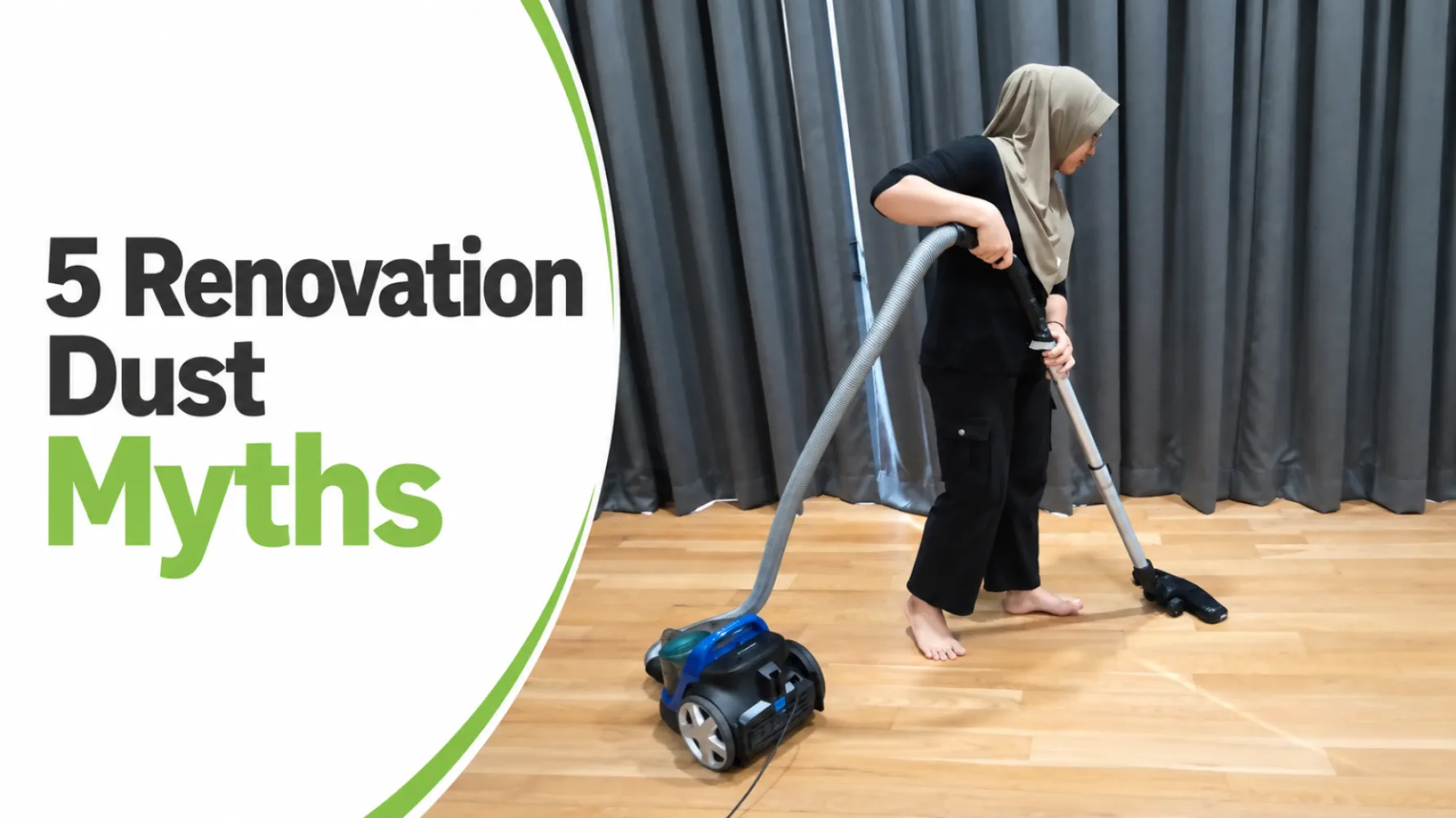
Fine plaster or cement dust behaves differently: sweeping it hard with a dry broom can push powder into corners and air currents. After large fragments are removed, collect fine dust with equipment intended for fine particles or use a controlled damp wipe on compatible hard surfaces. Check the floor under cabinet plinths and at the edges of window tracks, where powder can settle out of sight.
- Keep tile shards, nails and screws contained separately from light packaging.
- Remove large plaster and timber pieces before collecting fine dust.
- Check drawer runners, window tracks and skirting edges for trapped particles.
Treat broken ceramic, nails and screws as puncture risks.
Keep packaging and useful fittings out of the waste pile
A renovation can leave behind cardboard boxes, plastic film, foam corner guards and small bags of screws or cabinet fittings. Flatten dry cardboard where practical and keep packaging separate from sharp rubble; a screw hidden in a carton can puncture a bag later. Set aside spare tiles, handles and unopened fittings you intend to keep, and mark the box so it does not get mixed with disposal waste.
Do not leave a mixed pile where someone has to guess what can be thrown away. A loose hinge, a short piece of trim and a broken tile can look similar under dusty plastic. Put reusable pieces in a labelled box and keep it away from the debris being carried out.
Plan the waste route through your PJ building
In a condominium, removing one sack is a different task from carrying several heavy bags and long offcuts through a unit door, lift and lobby. Check the building’s rules for lift bookings, protection and waste collection before the removal day. Keep bags and cartons inside your unit until the approved collection or transfer time; a shared corridor can block neighbours and make carrying awkward.
Grit on a trolley wheel can scratch a polished lobby floor, and a wet cardboard box can soften or split on the way out during a PJ downpour. Use a stable, manageable load and keep the route clear. If the contractor is still cutting material, ask them to contain the new offcuts at the work area instead of adding them to the cleaned route.
Show the remaining waste clearly before booking
If you are arranging a post-renovation clean, take one wide photo of each affected room and a closer photo of any debris pile. Count the bags and describe awkward items plainly: for example, “three rubble sacks and two cabinet panels about a metre long.” That gives you a concrete way to explain whether the job is mainly surface cleaning or still includes a substantial waste-removal task.
Ask who will remove the bulky waste, what will be left for cleaning, and whether the building has a collection process to follow. Mention any rooms that are still being used, and whether cabinets or appliances have already been installed. Those details help prevent a cleaning visit being arranged while the space is still functioning as a work zone.
Frequently asked questions
Will a renovation cleaner take away broken tiles and cabinet offcuts?
Don’t assume that surface cleaning includes construction-waste hauling. Broken tiles, timber panels and rubble sacks are bulky or sharp items, so ask who will remove them before arranging the clean. Describe the amount and size of the waste when you enquire.
Should I sweep plaster dust while the contractor is removing rubble?
It is usually easier to collect fine dust after the larger pieces have been removed and cutting work has stopped. Vigorous dry sweeping can scatter powder into corners and onto nearby surfaces. Use equipment suitable for fine dust or a controlled wipe on compatible hard surfaces.
Can I leave renovation bags in my apartment corridor until collection?
Check your building’s collection and access rules first, and keep bags inside your unit until the permitted time. Sacks, cartons and long offcuts can obstruct the route or make lift access difficult. Confirm any lift booking or floor-protection requirements with building management.
Remove bulky and sharp renovation waste first, separate reusable fittings from disposal material, and keep the building route clear. Once the rooms are accessible, settled dust and surface residue are easier to describe and clean.
Related articles: 3 Dust Clues to Check After a Residential Home Clean in Petaling Jaya (PJ) · Home cleaning in Petaling Jaya (PJ): Compare what the clean includes