Super Great Cleaning Services
How Commercial Cleaning in Kuala Lumpur Can Fit Your Office
A practical checklist for matching an office clean to its traffic, surfaces, room use, visit rhythm and quote details.
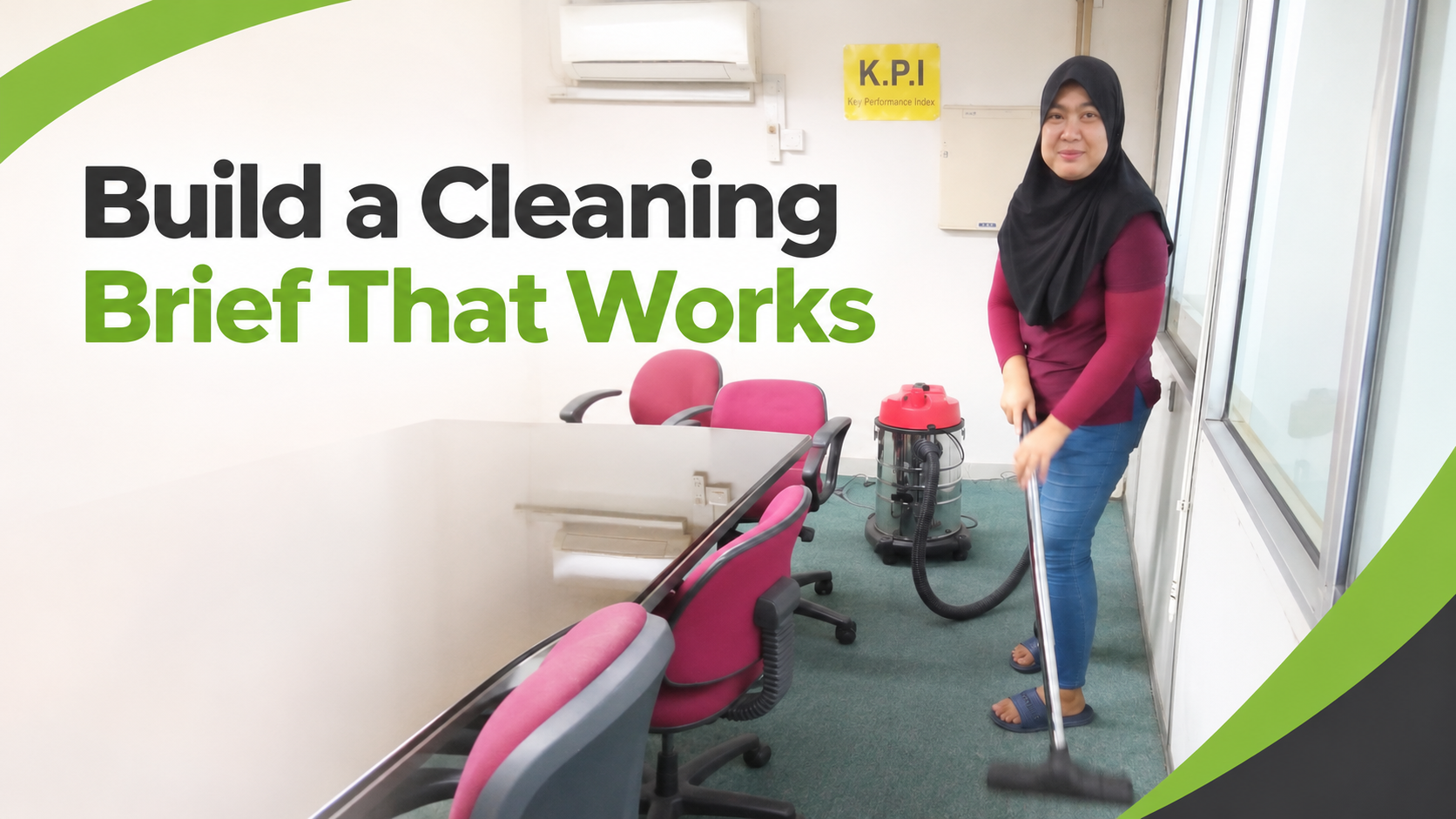
How do I choose commercial cleaning in Kuala Lumpur? Match the cleaning plan to your building’s foot traffic, surfaces and daily use, then compare providers against the same written checklist. Start by identifying which areas collect soil between visits and which tasks need separate scheduling. For an office, look at the entrance, pantry, washrooms, carpeted areas and workday patterns before requesting a quote.
Map the route before you count rooms
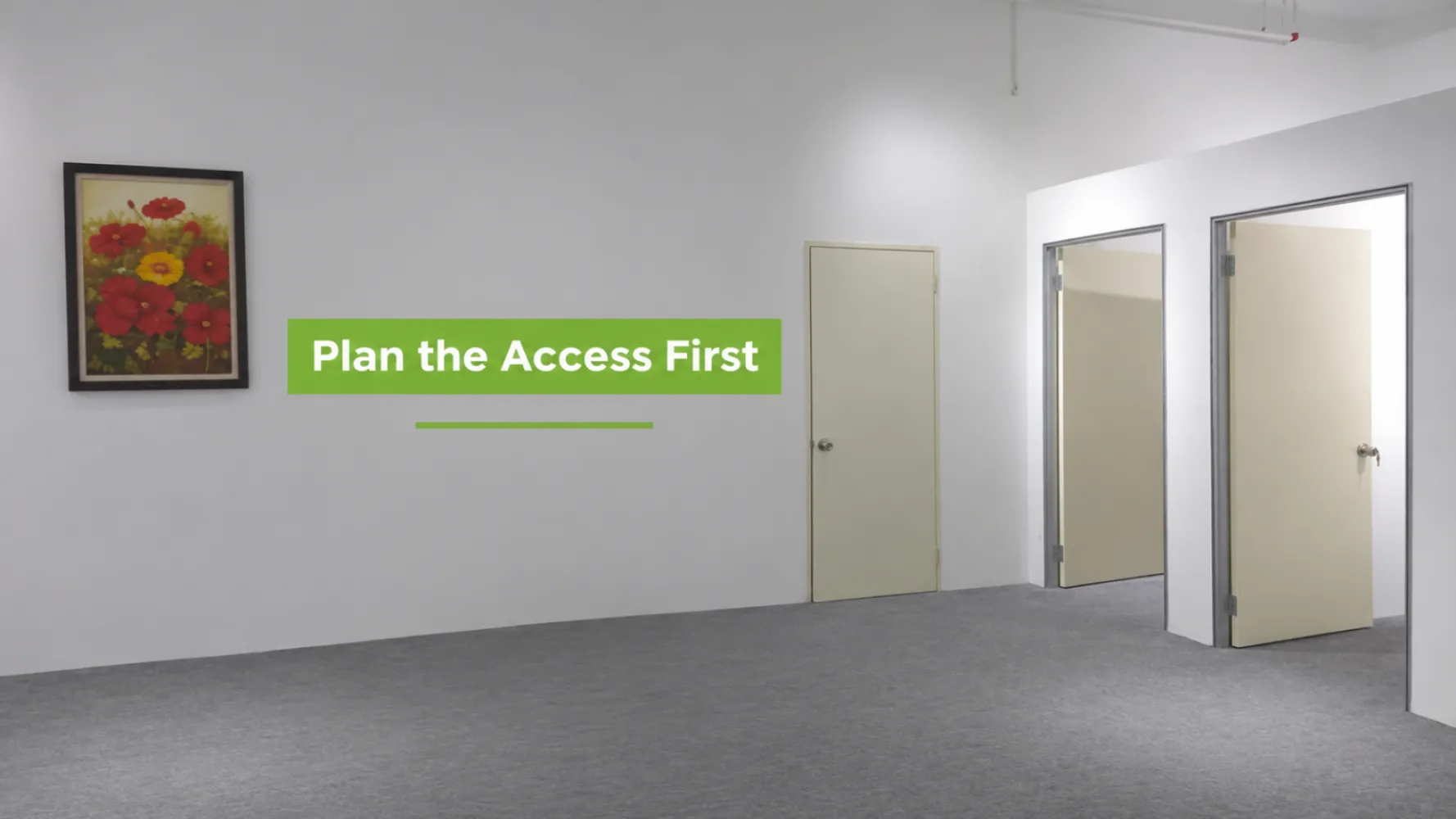
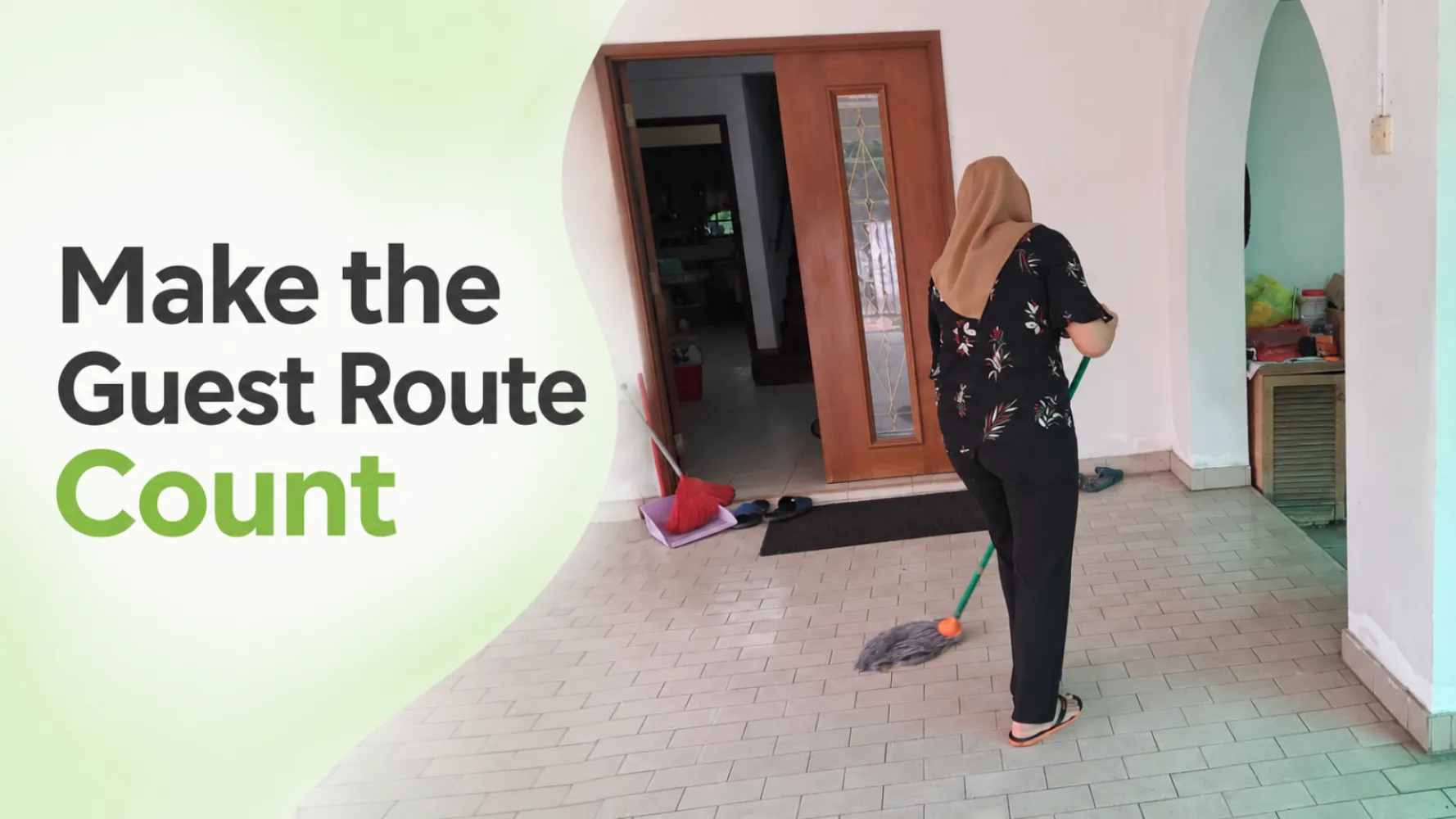
Walk the building as it’s used during a normal workday. Trace the route from the entrance to reception, desks, meeting rooms, pantry and washrooms. Note where people queue, where outdoor grit comes in and which rooms stay busy throughout the day.
Take a 30-person office with carpet tiles in the work area, a tiled pantry, glass entry doors and two washrooms. Fine grit can collect beneath the entrance mat, crumbs can settle along the pantry kickboard, and dust can press into carpet lanes under chair castors. Mark these as separate zones on a simple floor plan. “Clean all floors” doesn’t explain which finish or traffic pattern each area has.
Count fixtures as well as rooms. Four washroom cubicles, two basins and a long shared pantry counter create a different task list from one small toilet and a kitchenette, even in suites with similar floor areas.
Write a commercial cleaning scope room by room
Turn the walk-through into a list of objects and surfaces. Naming the parts makes the scope easier to compare and gives both sides a clear reference when a detail is missed.
- Entrance and reception: entry mat, door glass, handles and the lower door kickplate.
- Work areas: carpet edges, accessible window sills and the floor around chair bases.
- Washrooms: basin rims, tap bases, mirrors, cubicle latches and floor edges.
- Pantry: counter, sink rim and microwave exterior; specify separately if you expect the inside of a fridge or cupboards to be included.
Choose visit frequency from visible use
Square footage and staff headcount are only rough guides. A seldom-used meeting room won’t gather soil at the same rate as a busy pantry, and an entrance mat can collect water and grit quickly during wet weather.
Track a few visible markers across busy and quiet days: grit just inside the entrance, crumbs beside the pantry counter and how quickly washroom bins fill. Note when each appears. This gives you a practical basis for deciding whether the whole office needs more frequent visits or only one area needs extra attention.
Set the routine around actual use. A high-traffic entrance may need attention each visit, while dusting high ledges could be scheduled less often. Keep periodic jobs, such as a separate carpet treatment, distinct from routine floor care so they don’t disappear into a vague “regular cleaning” line.
Put the same details in every quote request
Use one comparison sheet for each provider. Record the rooms and surfaces included, the tasks planned for each visit, the visit frequency, and any periodic jobs listed separately. Also write down whether washroom refills such as soap and tissue are part of the request, and who supplies them.
Super Great Cleaning Services offers office cleaning. The company serves both residential and commercial spaces and is based in Kuala Lumpur. For a site with a carpeted corridor, glass entry doors and two washrooms, send the same room-by-room description to each provider so you can compare equivalent work. If you’re enquiring about a commercial site, ask whether that specific address and requested tasks can be accommodated.
Use the first clean to set a baseline
Before work begins, choose a few fixed points you can check again: the first stretch of floor inside the entrance, the edge beside the pantry counter and the glass around the main door handle. Record the location and the specific detail, such as a grit line or a fingerprint, rather than writing only “floor missed.”
Check those same points after each visit during a full cycle of the agreed schedule. If grit returns between visits, discuss whether the entrance needs a different frequency; if a particular edge keeps being missed, name that edge in the scope. A short, specific record helps you adjust the plan using the building’s actual use.
Frequently asked questions
How should I compare commercial cleaning quotes for the same office?
Give each provider the same room list, surface details and requested visit frequency. Compare the tasks included in each visit, any periodic work priced separately, and whether consumables or washroom restocking are included.
Should washroom supplies be part of a commercial cleaning visit?
Treat cleaning fixtures and replenishing soap, tissue or bin liners as separate items in the scope. Specify who supplies refills and who checks stock; a clean basin does not mean restocking was included.
A useful commercial cleaning plan starts with the building in use: the routes people take, the surfaces underfoot, the rooms that collect soil and the details each visit should cover. A clear checklist gives you a fair basis for comparing proposals and refining the schedule.
Related articles: Kuala Lumpur Home Cleaning—Why Do Floors Feel Sticky? · House Cleaning in Kuala Lumpur: Five Booking Mistakes to Avoid