Super Great Cleaning Services
Can Humid Weather Change House Cleaning in Selangor?
A practical guide to adapting house cleaning to Selangor’s humid, rainy conditions, with advice on bathrooms, kitchens, floors, airflow and drying time.
A late-afternoon shower darkens the balcony tiles in Selangor, while the bathroom mat and kitchen cloth are still damp from the morning clean. Plan house cleaning around drying: control how much water you use, move air through rooms when conditions allow, and wait for floors and fabrics to dry before putting things back.
Why dampness changes the job
Humidity doesn’t make every surface dirty faster; it can slow the drying of bathroom grout, freshly mopped floors and cloths left folded or bunched. In a home with windows on only one side, air may not move through the bathroom or kitchen easily, so wet work can linger even when the room looks clean.
Rain adds another local wrinkle. Shoes can bring water and grit onto the entrance tiles, while open windows during a shower may let damp air blow onto the floor. Super Great Cleaning Services offers house cleaning, with business coverage that includes Petaling Jaya (PJ) and Ara Damansara.
Bathrooms need a clear drying finish
A mirror clearing is not proof that the bathroom is dry. Water can remain in grout lines, around the tap base, along the bottom edge of a shower screen and on the silicone joint where the wall meets the tray or floor. Those are the spots to check after wiping.
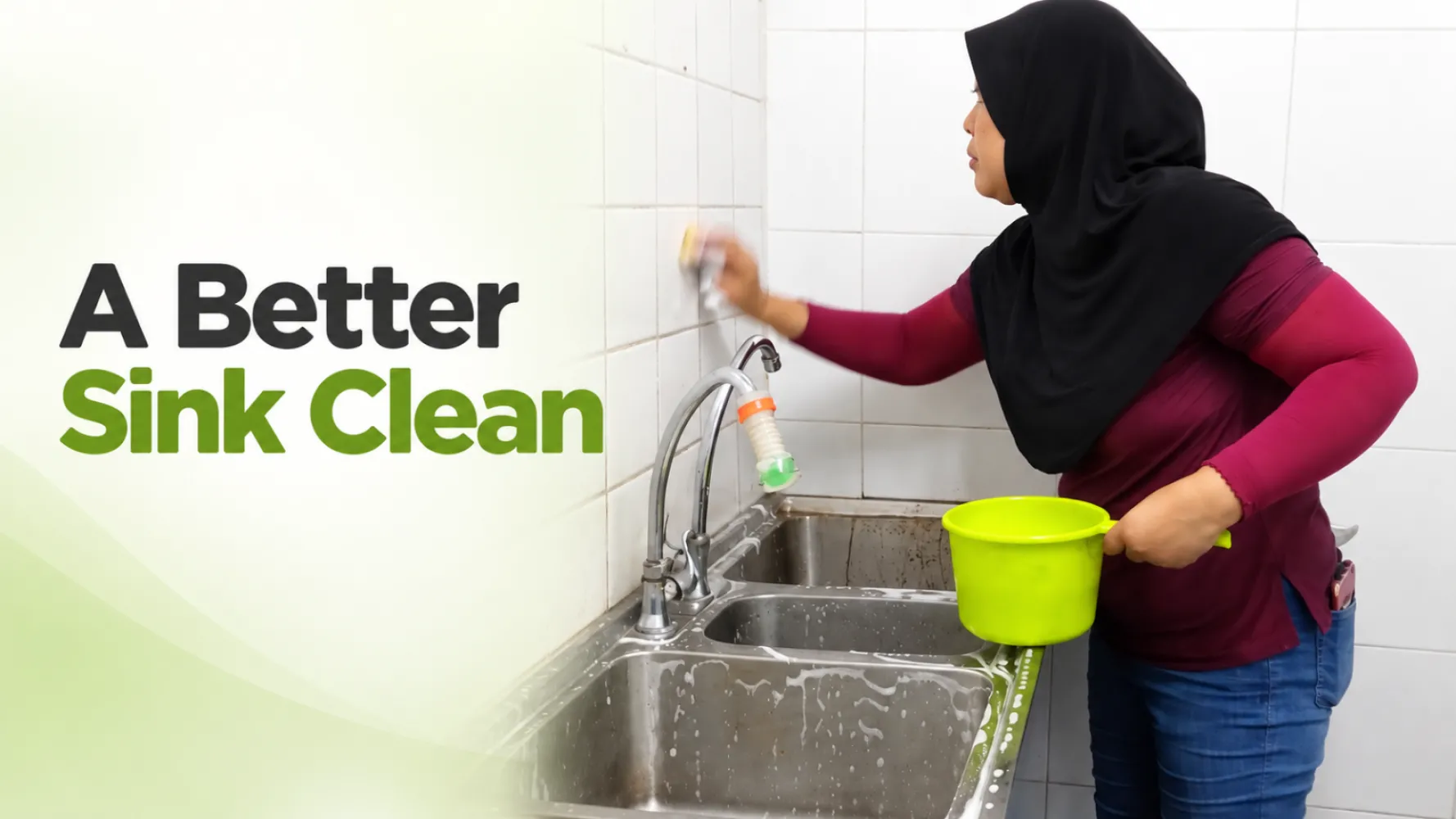
For routine upkeep, remove loose hair and grit before wiping, then use a squeegee on the shower screen and tile wall. Wring the cloth well before wiping taps and ledges; a dripping cloth leaves more water to evaporate. If the bathroom has an exhaust fan, run it during the shower and afterwards until surfaces stop beading. Leave the door open when practical so air can reach the room.
Keep kitchen moisture from settling in
In a kitchen, steam from a rice cooker or kettle can leave moisture on nearby cabinet fronts and window glass. Cooking oil adds a different film: grease around hob controls catches dust and feels tacky, while a wet cloth left in a sink can develop an unpleasant smell.
Wipe fresh splashes with a well-wrung cloth, then dry the counter edge and the area around the tap with a separate dry cloth. Hang damp cloths open rather than leaving them in a heap beside the sink. If you cook while it is raining, use the extractor if available and keep moisture-sensitive items, such as paper packaging, away from the steamy worktop.
Match the mop to the floor
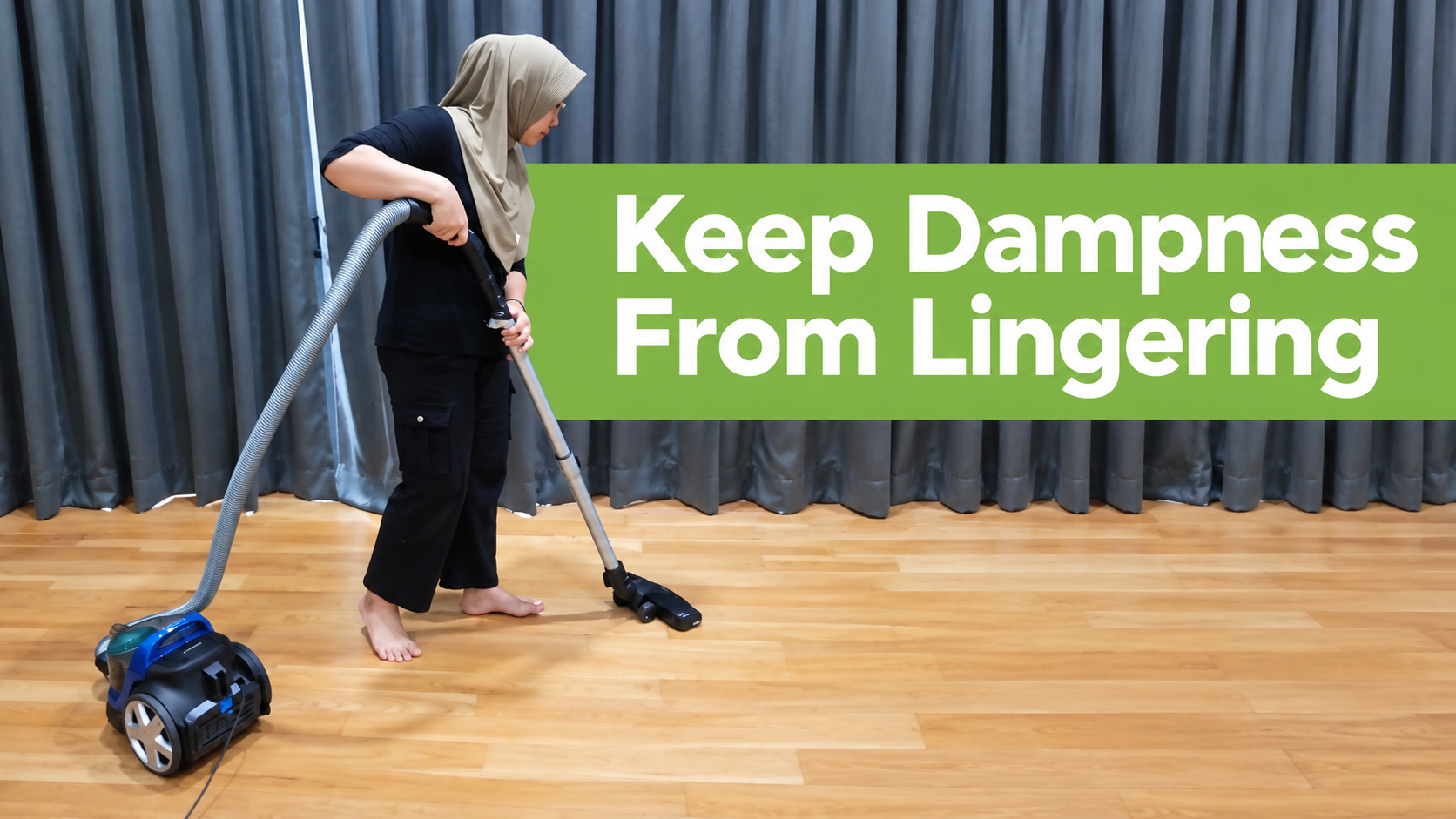
A ceramic tile floor can take a damp mop, but grout lines and the edges beside skirting hold water longer than the open tile. Vinyl planks and laminate need more restraint: water can work into seams or under a lifted edge. For timber or other finished floors, follow the maker’s care instructions rather than assuming a wet mop is suitable.
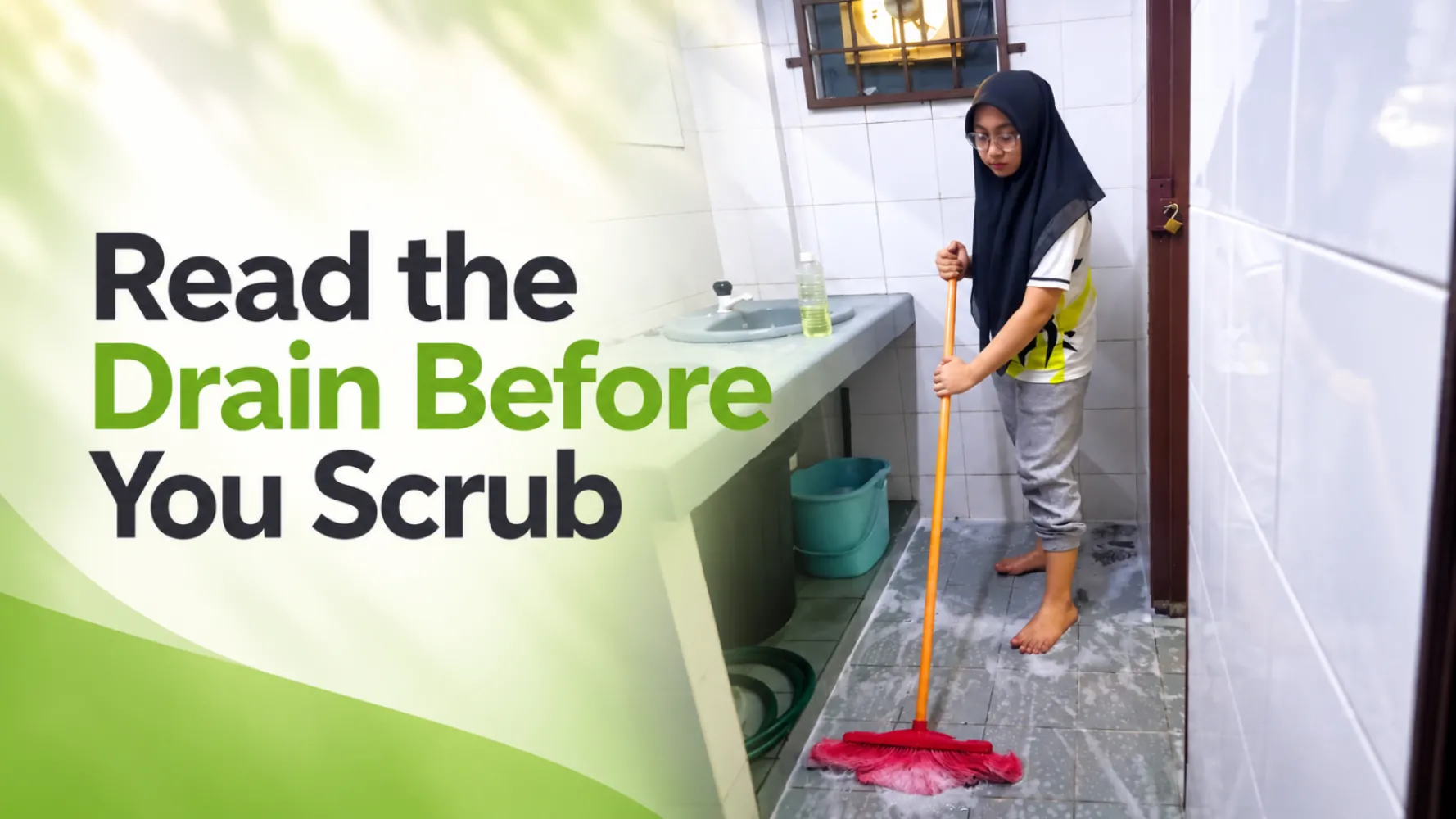
Work in small sections and wring the mop until it leaves a light sheen rather than puddles. Keep people off the wet area until it is dry, especially at a tiled entrance where rainwater can mix with floor-cleaning residue. In a two-bedroom condo with tile through the living room and laminate in one bedroom, use a damp mop in the living area and a suitable barely damp method—or dry dusting—in the bedroom, depending on the floor guidance.
Airflow helps, but a fan does not dehumidify
A fan moves air across a surface; it doesn’t remove water from the room. An exhaust fan can carry humid bathroom air outside if it is vented that way. Air-conditioning removes some moisture while cooling, and a Dry mode may help if your unit has one; check the manual for its intended use.
Let the weather guide ventilation. When rain is blowing in or outdoor air feels clammy, keep the windows mostly closed and use available exhaust or air-conditioning. When rain has passed and the air outside is drier, open windows on opposite sides if you can do so safely. Don’t put a bath mat or rug back on a freshly mopped floor; hang it separately until both the fabric and floor are dry.
Plan around the home’s slowest-drying spots
The useful question is often not which room is dirtiest, but which damp area will stay wet longest. A bathroom with no window, a kitchen that gets steamy at dinner, and a shaded entrance that collects rainwater may need different timing from the rest of the home.
If you’re arranging a clean, make the drying constraint concrete. For example, say that the bathroom has an exhaust fan but no window, the bedroom has laminate flooring, or the entrance stays wet after a shower. That gives the person planning the work a practical picture of where to limit water and allow extra air movement.
- Point out rooms with little or no window ventilation.
- Name floors that need a low-moisture approach, such as laminate or finished timber.
- Mention mats, rugs or cloths that should stay out until they are dry.
Frequently asked questions
Why does a bathroom stay damp after the mirror clears?
The mirror can clear before water has evaporated from grout lines, silicone joints, the shower-screen edge or the floor. Check those spots directly, then use an exhaust fan or other suitable airflow to help them dry.
Should I open the windows while cleaning during a Selangor rainstorm?
Keep windows mostly closed if rain is blowing in or making nearby surfaces damp. When the rain passes and outdoor air is drier, opening windows on opposite sides can help air move through the home, if it is safe to do so.
Does a standing fan remove humidity from a room?
No. A standing fan circulates air and can help surfaces dry, but it does not remove moisture from the room. An exhaust fan can move air outside, while air-conditioning may remove some moisture as it cools.
How wet should a mop be in humid weather?
For a compatible hard floor, use a well-wrung mop that leaves a light sheen rather than puddles. Work in small sections and keep foot traffic away until the floor is dry; check the maker’s instructions for laminate, timber and other moisture-sensitive finishes.
Can I put the bath mat back as soon as the floor looks dry?
Wait until the floor and the mat are both dry. A mat placed over a damp patch can slow evaporation, especially around grout lines or the edge of a shower, so hang it separately while the floor finishes drying.
In Selangor’s humid, rainy weather, keep wet cleaning controlled and pay attention to where water collects: grout, floor joints, tap bases and fabric mats. Use airflow that suits the conditions, and give each surface enough time to dry before covering or walking on it.
Related articles: 5 Petaling Jaya Renovation Cleaning Details to Compare · How a Dusty Ceiling Fan Changes House Cleaning in Ara Damansara