Super Great Cleaning Services
What’s the Best Order for House Cleaning in Petaling Jaya?
A practical checklist for cleaning a lived-in home in an order that limits rework: prepare the tools, clean from high and dry surfaces down, keep kitchen and bathroom cloths separate, and finish with the floors.
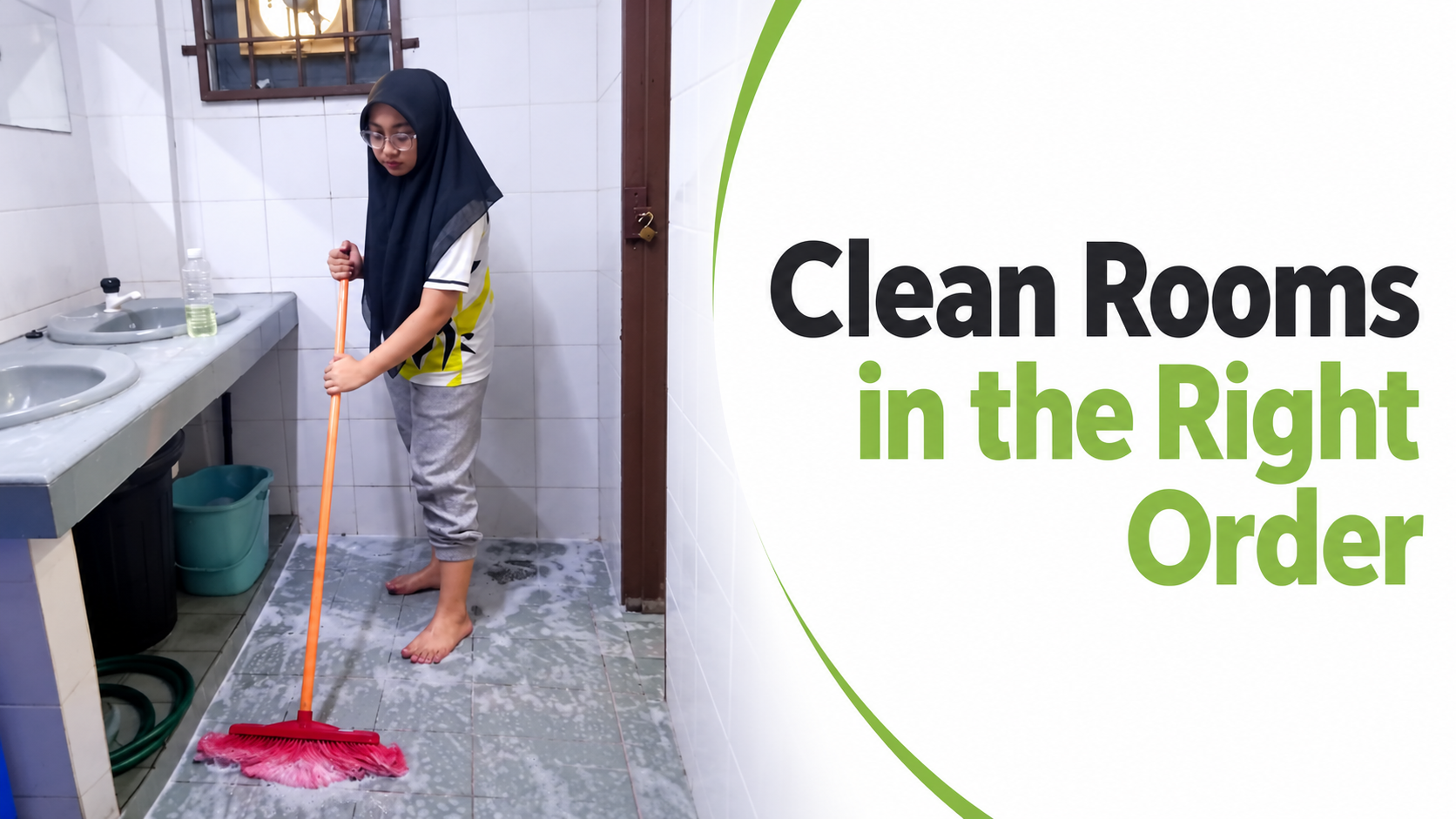
For house cleaning in Petaling Jaya, start with dry, high surfaces and work down to the floor; leave damp floor cleaning until the end. This way, falling dust and crumbs are picked up before they land on surfaces you’ve already cleaned. If you’re arranging a professional visit, Super Great Cleaning Services offers house cleaning in Petaling Jaya. Use the checklist below for a typical lived-in home, whether you’re doing the clean yourself or planning how the work should flow.
Before you start, set up for one pass
A little staging prevents the common stop-start clean: one cloth is in the bathroom, the vacuum is still in the bedroom, and the floor gets wet before the dusting is finished. Gather a small kit before you begin. Keep a separate cloth for the bathroom, and don’t carry it back to the kitchen. A bucket for rinsing, a microfibre cloth for hard surfaces, and a vacuum with a brush and crevice tool cover many ordinary household tasks.
Check what each surface can tolerate before choosing a product. Glazed ceramic tile, chrome taps, laminate cabinets and natural stone don’t all respond to the same cleaner. Follow the surface maker’s care directions where available, and never mix cleaning products; bleach mixed with an acidic toilet cleaner can release dangerous gas.
- Put loose items in a basket so tabletops and counters are clear enough to wipe in one pass.
- Check that the vacuum head suits the floor: a hard-floor setting helps avoid scattering grit, while a brush roll can lift debris from many rugs.
- Keep bathroom cloths and brushes apart from the items you use on food-preparation surfaces.
Do the dry, high work before the damp work
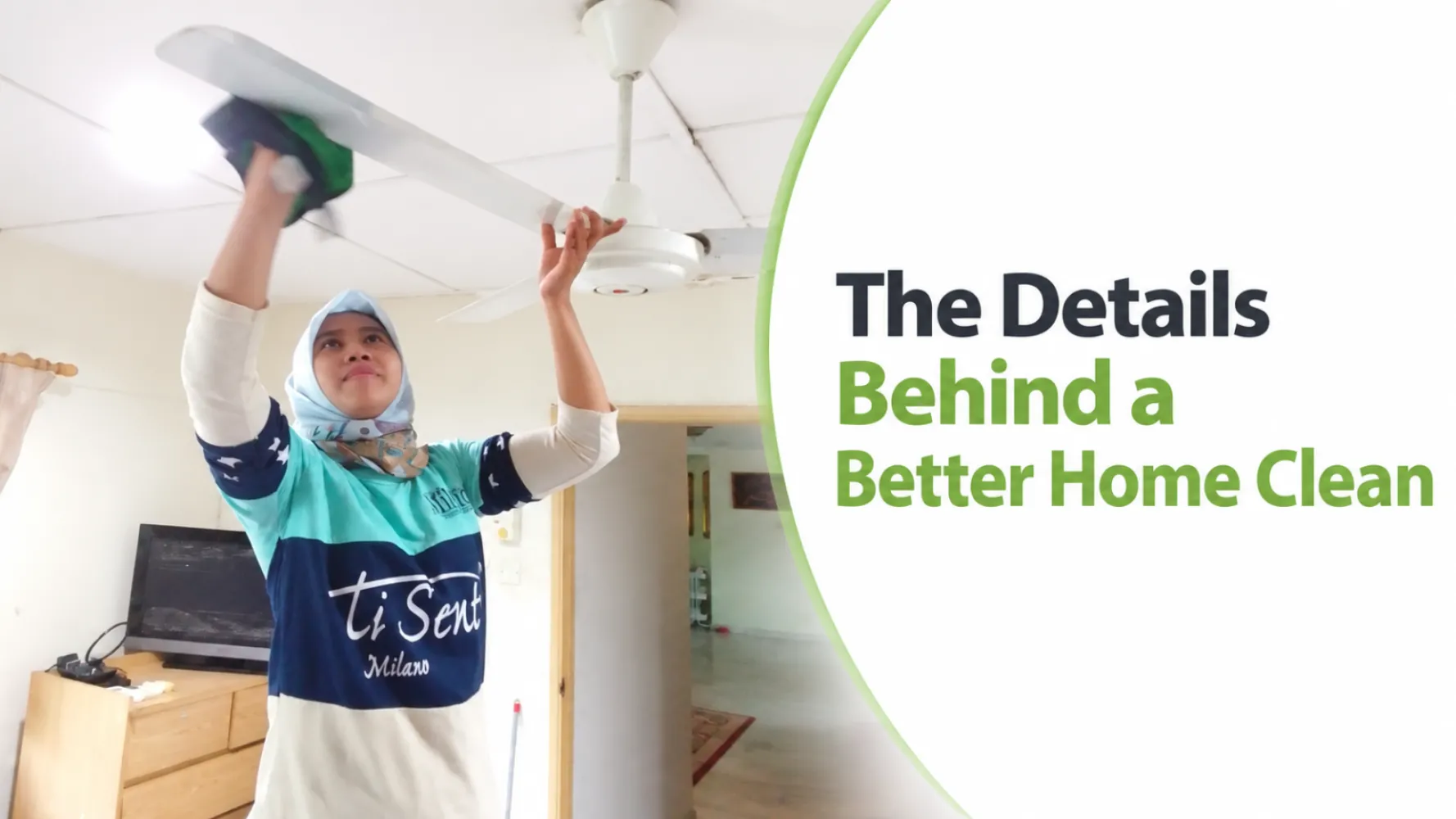
Begin with the places where dust settles above eye level: the top edge of a door frame, a ceiling-fan blade, the upper shelf of a bookcase and the ledge behind a television. A slightly damp microfibre cloth can hold ordinary settled dust better than a dry flick that sends it airborne. Don’t spray cleaner directly onto switches, sockets or screens; put a small amount on the cloth and keep liquid away from openings.
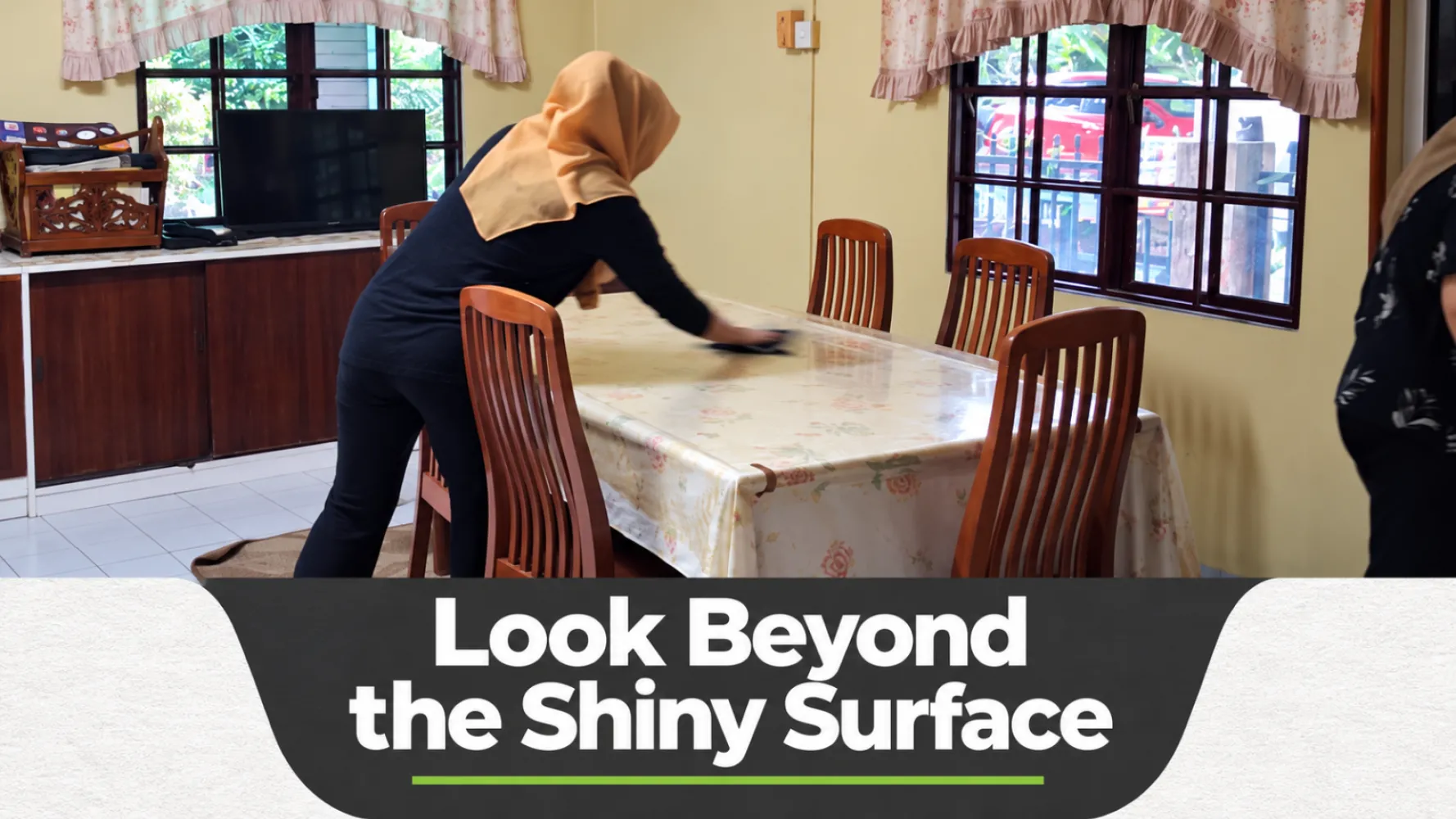
Then move to reachable surfaces, such as bedside tables, dining chairs and cabinet fronts. Clear crumbs and loose hair before using a damp cloth, or they can turn into streaks. In the kitchen, wait until the hob is cool before wiping it. Greasy residue around the burner rings or backsplash usually needs the product to sit for the label’s stated contact time; scrubbing immediately can spread the film instead of lifting it.
Think of the order as high to low, then dry to damp. If you wipe a coffee table and later dust a shelf above it, you’ll likely have to wipe the table again.
Keep kitchen and bathroom work in their own lanes
A house clean is easier to manage when wet, greasy and food-contact tasks don’t share a cloth. In the kitchen, use a clean cloth for counters, then move to the sink and exterior of appliances. Pay attention to the counter edge beside the hob, the handle of the refrigerator and the tap base, where a thin film of cooking oil or water spots often remains after the broad surface looks clean.
In the bathroom, give the shower screen, basin and toilet separate attention. Soap residue collects along the lower edge of glass and around the tap base; grout lines beside the shower may stay darker because they dry slowly. Follow the cleaner’s label for contact time, rinse where directed and dry chrome with a clean cloth to reduce water marks. If you have natural-stone tiles or a stone vanity, check the care instructions before using an acidic limescale remover.
The part people often skip is the toilet’s outer detail: the flush button, hinges, outside of the bowl and the floor around its base. Use a dedicated cloth for those areas and finish there, rather than taking it to the basin or kitchen.
Vacuum first, mop last, then check the corners
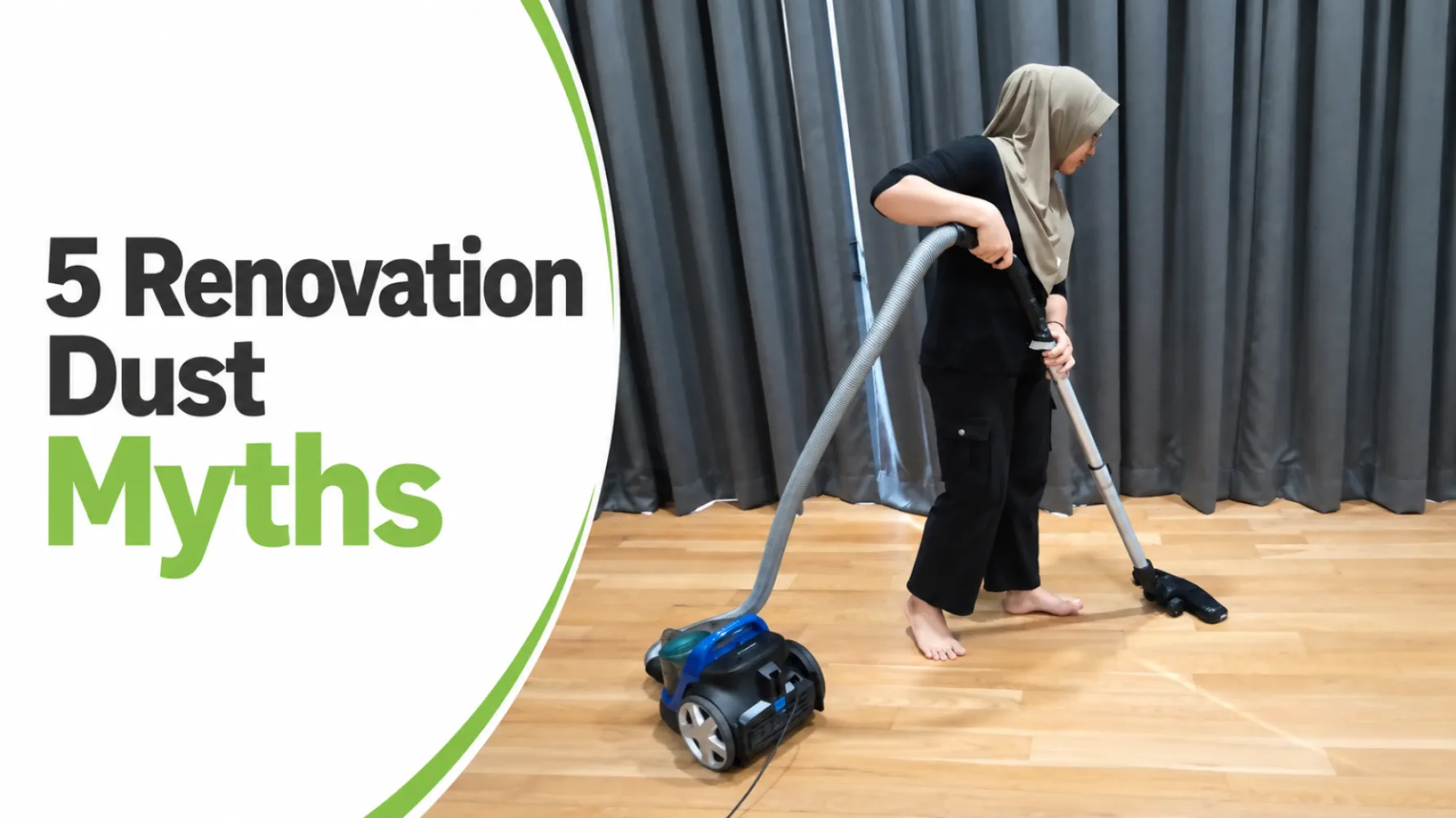
Pick up dry debris before introducing water. Vacuum along skirting boards, under the dining table and beside the sofa, where crumbs and hair gather; use the crevice tool for narrow gaps rather than pushing grit with a wet mop. On hard floors, a damp mop is usually easier to control than a soaking one. Change or rinse the water when it turns visibly grey, and work toward the exit so you don’t walk across a freshly mopped section.
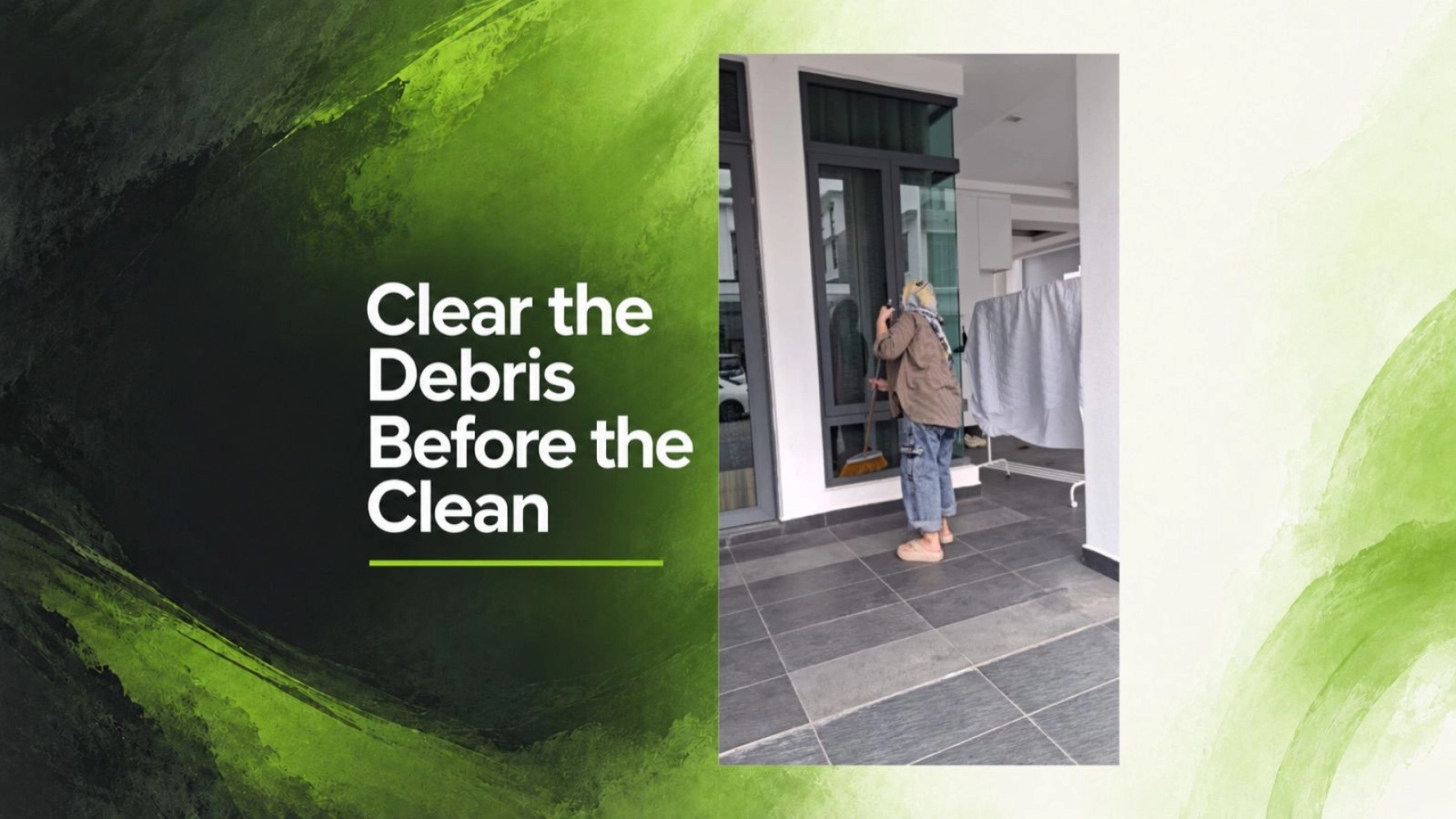
Petaling Jaya’s humid weather can make a wet floor feel dry on top while corners and grout lines stay damp. Use a wrung-out mop, keep the room ventilated where practical, and let the floor dry before putting rugs back. After a rainy afternoon, check the entrance tiles and the strip just inside the door for tracked-in grit; it can scratch some finishes if dragged under shoes or furniture feet.
Finish with a short walk-through in daylight or with the room lights on. Look at the glass from an angle for streaks, check the floor behind the bathroom door, and run a dry finger along one shelf edge. These small checks catch missed patches without restarting the whole clean.
Frequently asked questions
Should I dust or vacuum first?
Dust reachable high surfaces first, then vacuum. Loose dust and crumbs can fall to the floor while you work, so vacuuming beforehand often means doing the floor twice.
Can I use the same cloth in the kitchen and bathroom?
Use separate cloths for those areas. A bathroom cloth can pick up residue from the toilet or shower, while kitchen counters are food-preparation surfaces; keeping the cloths apart reduces cross-contamination.
Why does my floor still look streaky after mopping?
Too much cleaner, dirty rinse water or a mop that’s too wet can leave a film. Try a well-rinsed mop with less water, follow the floor maker’s care directions and let the surface dry before judging the finish.
A useful cleaning order is easy to remember: clear loose items, work high to low, keep wet and food-contact tasks separate, and leave the floor until last. That sequence makes a routine clean more deliberate and cuts down on repeat wiping.
Related articles: 5 Dust Myths to Drop Before and After Renovation Cleaning in Ara Damansara · Carpet Care in Petaling Jaya (PJ) Starts with Dry Grit Control